Casino Wagering Requirements: Dutch Regulator Calls Out 711
The Dutch gambling regulator says 711 made some customers wager deposited money before withdrawing. Learn when play-through rules are allowed and what players should check.
- Published

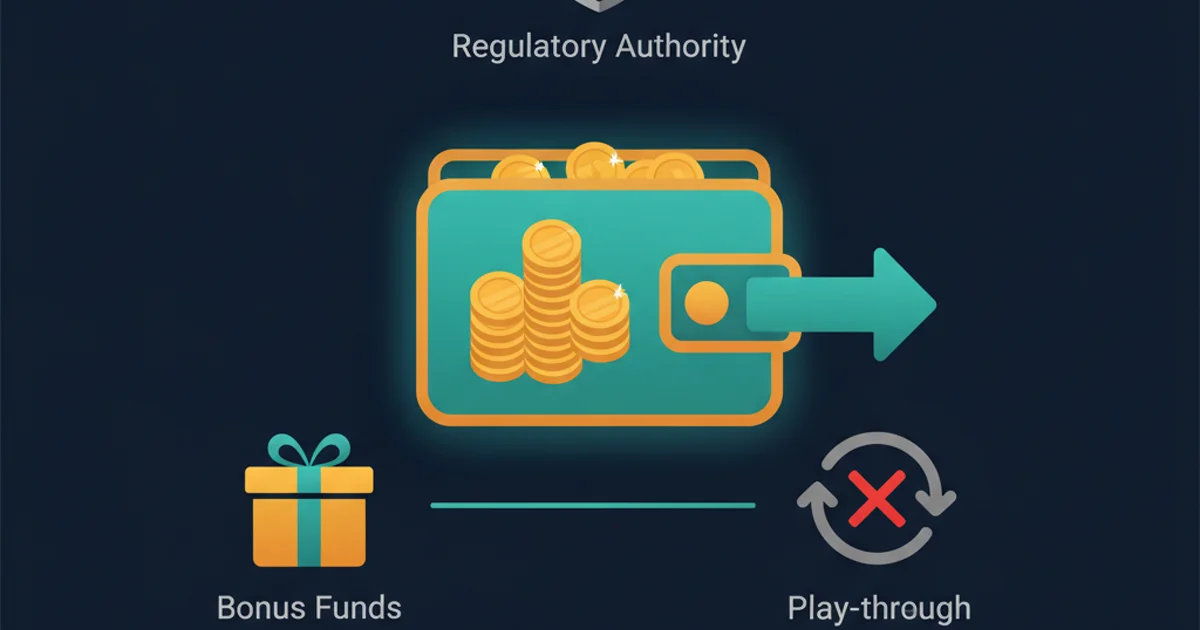
The Netherlands Gambling Authority, Kansspelautoriteit (Ksa), has called out online casino 711 for requiring some customers to wager deposited money before they could withdraw it. The regulator says that kind of play-through condition is permitted only for an offered bonus and then only under strict conditions. A customer’s ordinary cash deposit must otherwise be available for withdrawal without unnecessary delay.
The 9 October 2026 notice did not announce a fine or formal order. It says 711 changed its procedure after speaking with the Ksa and clarified that customers who did not want to wager the deposit could have it returned to the original payment method. The regulator warned that a repeat breach could bring stricter action.
What the Ksa says happened at 711
The Ksa received a report that 711 applied the requirement to customers who used payment methods other than what the regulator described as an ordinary bank account. Those customers were required to stake their deposited money at least once before withdrawing it. The regulator did not identify the payment methods, the number of customers affected or the value of the deposits.
According to the Ksa, 711 said the procedure formed part of its anti-money-laundering controls. The regulator accepted that a payout can sometimes be delayed for a specific money-laundering investigation, but rejected a standing requirement that customers gamble the deposit. Any compliance-related delay must be as short as possible and cannot become a structural suspension of withdrawals.
The distinction matters because wagering is not a neutral verification step. A customer forced to stake cash can lose it before obtaining a withdrawal. Returning suspicious or unsupported funds to the verified payment source, or conducting a proportionate investigation, does not require the customer to place a casino bet.
Cash deposits and bonus funds are not the same
A casino account can contain several types of balance. Cash deposited by the player remains different from promotional funds offered by the operator. A bonus may have a play-through requirement explaining how much qualifying wagering must be completed before bonus-related winnings become withdrawable. That condition should be disclosed before acceptance and apply within the limits of Dutch bonus rules.
The existence of a bonus system does not allow an operator to attach the same restriction automatically to every cash deposit. If no bonus was accepted, a generic one-times, five-times or similar turnover rule on the customer’s own money conflicts with the Ksa’s stated payout position. A casino should also show clearly whether a bet is using cash or bonus funds and what happens when a player cancels a bonus.
Players should not assume that completing a play-through target guarantees a profit or even preserves the original deposit. Every qualifying stake remains at risk. A low wagering multiple may sound modest, but it still requires gambling and can expose the full balance to loss.
What Dutch payout rules require
The Ksa’s payout guidance says a licensed online gambling operator must make a player balance available at any time and pay it without unnecessary delay unless a clear exception applies. Structural conditions that obstruct a direct payout are prohibited. The regulator gives two specific examples: minimum withdrawal amounts, even for only a few euros, and wagering requirements imposed on money deposited by the player.
The Dutch Remote Gambling Decree provides the framework for account payments and withdrawals. The Ksa interprets those obligations as requiring the gaming account to be debited in the player’s favour when a withdrawal is requested and the balance to be paid to the player’s nominated account. The purpose includes avoiding arrangements that encourage excessive gambling merely to reach the money already held in the account.
This does not mean every withdrawal must reach a bank instantly. The operator still needs to process the request, and the bank or payment provider may have its own settlement time. The important distinction is between a necessary operational or legal check and an avoidable condition requiring more gambling.
When a casino can delay a withdrawal
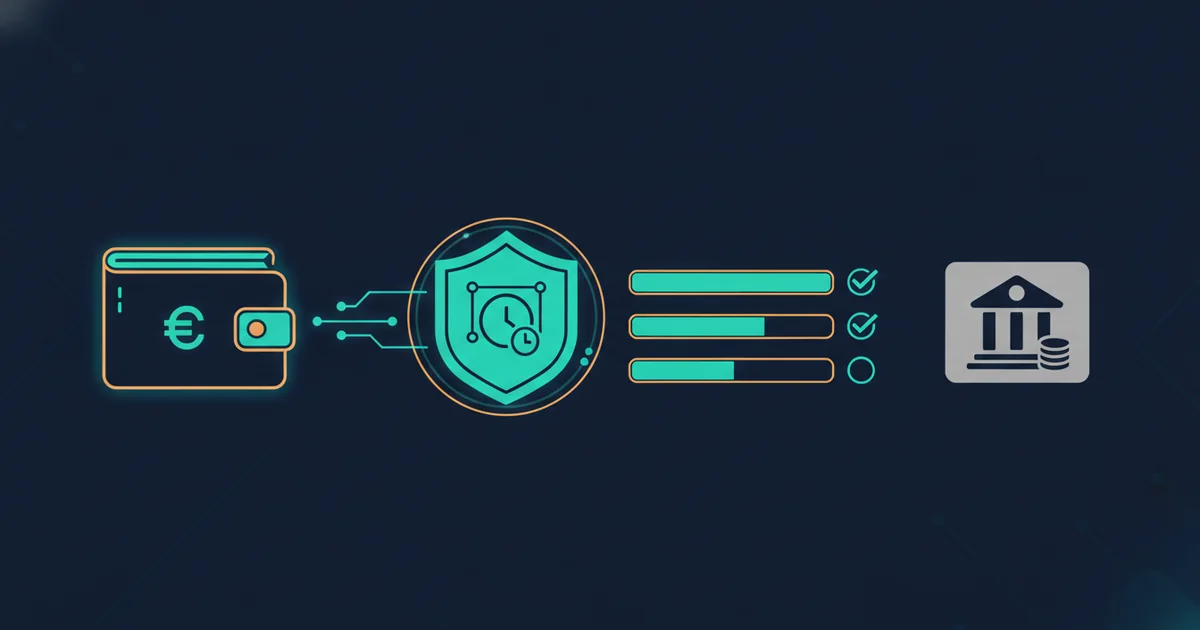
The regulator identifies limited circumstances in which a delay can be justified. These include a source-of-funds investigation under anti-money-laundering law, a reasonable suspicion of fraud or materially incorrect registration details. A proportionate check may require documents or confirmation that the payment method belongs to the account holder.
An exception should address the identified risk. It should not become a standard rule for every customer using a broad category of payment method. The Ksa’s position in the 711 case is that anti-money-laundering duties can justify a short investigation but not a blanket requirement to wager deposited money first.
A request to return money to the original verified payment method can also be a legitimate anti-fraud control. It reduces the risk of a casino account being used to move funds between unrelated payment instruments. That is different from telling a customer to place bets before the money can leave the account.
How to read casino wagering terms before depositing
- Separate cash from bonus conditions. Find the clauses for ordinary deposited funds, bonus funds and winnings. A bonus rule should not quietly become a cash-withdrawal rule.
- Check the calculation base. A 20-times requirement may apply to the bonus, the deposit plus bonus or bonus winnings. Those calculations produce very different wagering totals.
- Read game contribution rates. Slots may count differently from live casino, table games or excluded titles. A displayed balance does not show how much qualifying play remains.
- Look for maximum-bet and time limits. Breaching a clearly disclosed bonus limit can affect promotional winnings. Save the version of the terms accepted with the offer.
- Confirm the withdrawal route. Check whether funds must return to the original payment method and whether identity or payment ownership must be verified.
- Reject deposit-to-release demands. Do not send another payment, pay a “tax” or gamble more merely to unlock ordinary cash. Ask for the legal and contractual basis in writing.
If a casino interface combines balances, take screenshots of the cash amount, bonus amount, wagering progress and withdrawal message. Keep the deposit confirmation and the terms that applied at the time. These records make it easier to distinguish a genuine bonus dispute from an unauthorised restriction on cash.
What to do if a Dutch casino blocks a cash withdrawal
Ask the operator to identify the exact clause and explain whether the restriction concerns cash, a bonus or a specific legal investigation. If the deposit was not linked to a bonus, state that clearly and request return to the verified payment source. Do not wager the balance merely to make the error message disappear.
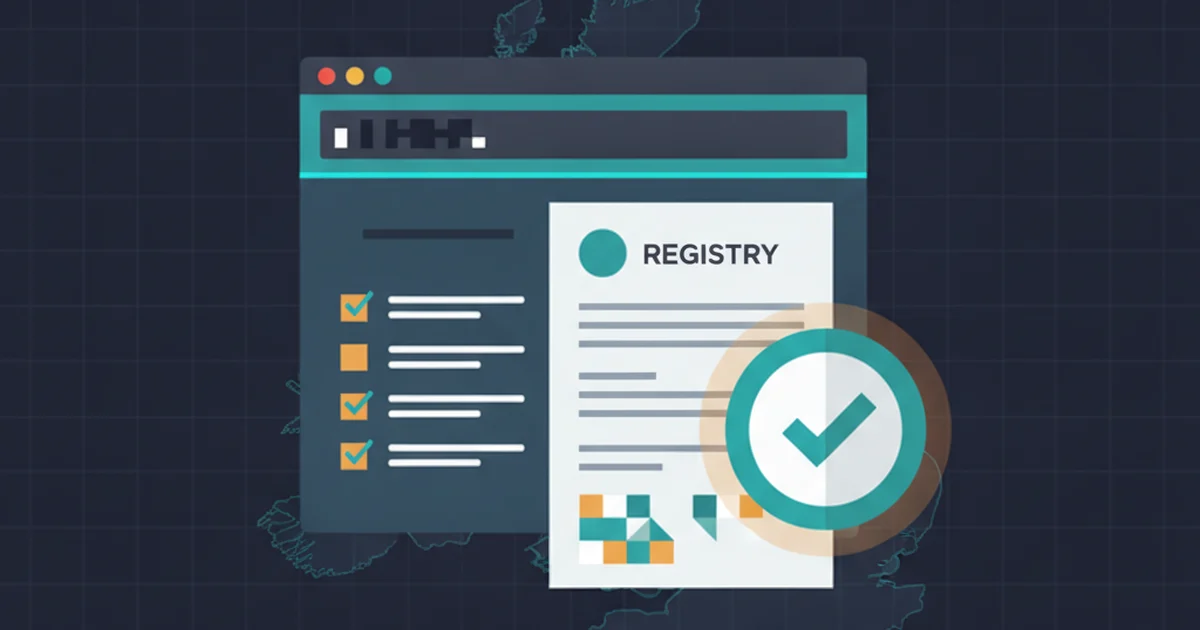
Use the operator’s formal complaints process if support does not resolve the issue. Include the date, amount, payment method, screenshots and the written response. Check the exact casino domain in the Ksa’s Kansspelwijzer; a familiar brand or Dutch-language page is not proof that the service is licensed.
Reports can also be submitted to the Ksa, although the regulator does not act as a personal claims service or guarantee repayment in an individual dispute. Contact the payment provider promptly if a transaction was unauthorised or the casino asks for payment through an unverified destination. Never send identity documents through an unsolicited message or unofficial social-media account.
The 711 action follows earlier Dutch interventions
The Ksa told licensed operators about direct-payout obligations in March 2024. In August that year, it said nine operators had been ordered to stop using prohibited conditions and four others had been warned and required to confirm their position in writing. The regulator specifically identified minimum withdrawal thresholds and cash-deposit wagering requirements as unacceptable barriers.
In July 2025, the Ksa warned ZEbet after receiving a report that a customer who had not used a bonus could not withdraw a deposit without wagering it. ZEbet described the issue as a technical error and introduced corrective measures. The regulator also required Starcasino to resolve contradictory wording in its terms. The latest 711 notice therefore reinforces an established rule rather than announcing a new policy.
What the case means for players
The immediate result is procedural: the Ksa says 711 acted to prevent a repeat, while no financial sanction was announced. The notice does not establish how many customers encountered the requirement or whether any customer lost money after deciding to wager. Those details remain unreported and should not be inferred.
The broader lesson is simple. Wagering conditions belong to an optional, clearly disclosed bonus—not to the ordinary cash a player deposited. Anti-money-laundering checks can delay a particular transaction when justified, but they do not permit a casino to make gambling the standard route to a withdrawal.
Check the operator and exact domain in the official register, keep cash and bonus balances distinct, and stop if a withdrawal message demands further play without a bonus basis. Gambling is for adults aged 18 or over in the Netherlands. Every stake can be lost, and completing a wagering requirement does not make a casino safe or profitable.
Sources: Kansspelautoriteit, “711 aangesproken op rondspeelverplichting” (9 October 2026, official notice concerning 711); Kansspelautoriteit, “Uitbetaling van spelerstegoeden” (checked 10 October 2026, official payout guidance and exceptions); Kansspelautoriteit, “Ksa tikt 13 aanbieders … op de vingers” (13 August 2024, earlier intervention on payout barriers); Kansspelautoriteit, “ZEbet en Starcasino aangesproken op verplichting tot rondspelen” (17 July 2025, earlier play-through cases); Government of the Netherlands, “Besluit kansspelen op afstand” (current text checked 10 October 2026, remote-gambling account and payment framework); and iGaming Times, “KSA Calls Out 711 for Making Some Players Wager Their Deposits” (9 October 2026, secondary industry reporting).
Topics
Share this article
Related articles

Related casino offers
 CasumoEditorial4.4
100% up to €300 + 50 Bonus Spins (market-specific)
Claim offer VideoslotsEditorial4.5
100% up to €200 + 11 Spins (no wagering on spin winnings)
Claim offer BetfairEditorial4.5
Bet €10 Get €30 in Free Bets + €10 Casino Bonus
Claim offer
18+ · T&Cs apply · begambleaware.org · Advertising disclosure: we link to operators directly and take no commission.