Pay by Mobile Casino UK: Phone Bill Deposits Explained
Pay by mobile casino deposits charge a phone bill or prepaid balance instead of a bank card. Learn how UK carrier billing works, what to verify and how to challenge an unexpected charge.
- Published

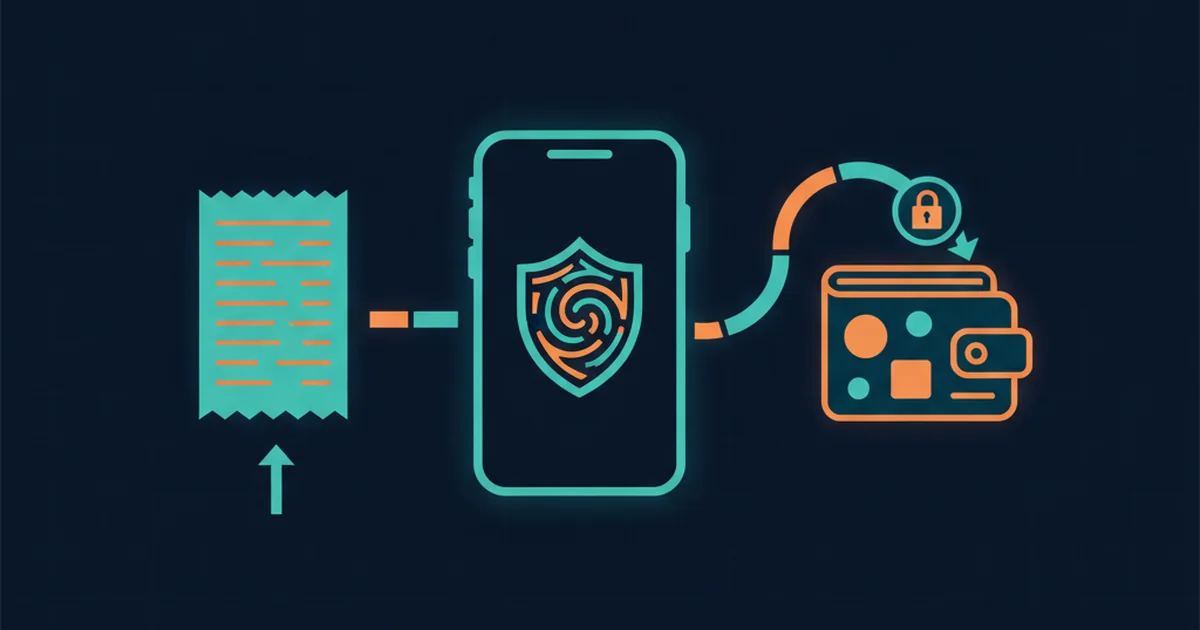
A pay by mobile casino lets a customer fund an online gambling account through a mobile phone account. The deposit is added to a monthly phone bill or deducted from prepaid credit instead of being taken directly from a debit card or bank account. The payment route is also called direct carrier billing, operator billing or charge-to-mobile.
The short checkout can be convenient, but it does not remove the normal checks or risks attached to gambling. A British customer must still use a Gambling Commission-licensed operator, complete age and identity verification before gambling, understand the charge shown at checkout and keep the casino deposit within an affordable budget. The phone payment and the gambling account are separate relationships, so a problem may need to be raised with different businesses.
How pay by mobile casino deposits work
A typical carrier-billing payment starts when the customer selects pay by mobile in the casino cashier and enters a mobile number. The payment provider identifies the linked network account and sends a one-time code by text. Entering that code confirms control of the device and authorises the transaction. The network then adds the charge to the monthly bill or removes it from available prepaid credit.
An SMS confirmation or line on the phone bill should identify the charge or provide information that leads to the phone-paid service provider. Ofcom says phone bills can label this type of transaction as Charge-to-mobile, Operator Billing or Direct Carrier Billing. Those labels describe the payment mechanism, not necessarily the casino or company responsible for the service.
Carrier billing is not the same as depositing through a banking app, entering a debit-card number or paying from an e-wallet balance. It uses the billing relationship with the mobile network. A one-time code confirms possession of the phone, but it does not replace the casino’s legal duty to verify the customer’s age and identity before gambling.
Is pay by phone bill gambling allowed in the UK?
Ofcom recognises that premium-rate services can be used to gamble online and by mobile phone. It says these services are for adults only, and that the cost and type of service must be clear. Gambling services are also subject to the Gambling Commission’s separate rules.
That does not make every casino accepting a mobile number legal in Great Britain. The exact domain must appear under an active operator in the Gambling Commission public register, with the appropriate remote gambling permission. Search by domain rather than trusting a footer badge, a British flag or a sterling cashier.
Gambling Commission licence condition 6.1.2 prohibits licensees from accepting gambling payments by credit card, including credit-card payments routed through a money service business. Carrier billing uses a different payment mechanism, but customers should not assume that every mobile contract, network or casino supports it. The payment option shown in the verified casino cashier and the current operator terms are the relevant evidence for that account.
What to check before making a phone bill deposit
- Verify the casino domain. Match the full website address to an active entry in the Gambling Commission register before entering a phone number or identity details.
- Read the exact charge. The confirmation screen should identify the amount, whether it is a one-off payment and any fee. Do not approve a code until the total is clear.
- Check where the charge will land. Confirm whether it will be added to a monthly contract bill or removed from prepaid credit. Shared, family and employer-paid accounts require particular caution because the bill holder may be someone else.
- Check the deposit and withdrawal terms separately. A method available for deposits is not automatically available for withdrawals. Record the verified withdrawal route before paying.
- Use your own mobile account. The casino account, mobile number and payment responsibility should belong to the same customer. A mismatch can create fraud, ownership and withdrawal checks.
- Set a gambling deposit limit. A network or payment ceiling is not a personal budget and does not measure what is affordable to lose.
Availability can change by casino, payment provider, network, tariff and customer account. A failed carrier-billing payment is not a reason to retry repeatedly, use another person’s phone or move to an unlicensed site. Check the failure with the operator or mobile network and use only a payment method held in your own name.
Can a pay by mobile casino skip ID checks?
No. Every online gambling business licensed for Great Britain must establish a customer’s identity before allowing that person to gamble. The Gambling Commission says the required information includes name, address and date of birth. An operator may match those details electronically, but it can request documents when the available records are insufficient.
The SMS code used for a carrier-billing payment proves access to the mobile device for that transaction. It does not prove age, residential address or the full identity of the casino customer. Treat any claim that a phone payment permits anonymous or “no verification” gambling as a warning sign.
The operator should also explain before deposit what identity or other information may be required and how it should be supplied. Upload documents only through the authenticated casino account or another verified secure channel. Never send a passport, bank statement or selfie to an unsolicited text sender merely because the message refers to a mobile deposit.
Deposits and withdrawals are different
Pay by mobile describes how money enters the casino account. It does not prove that winnings can be returned to a phone bill or prepaid balance. Before depositing, read the cashier and withdrawal table for the route the operator will use when the original deposit method cannot receive a payout. Check the expected processing time, minimum amount, ownership requirements and any verification step.
A UK-licensed casino should not wait until withdrawal to request identity information it could reasonably have obtained earlier. A fresh legal concern—such as suspected fraud, account takeover or use of a third-party payment method—can still require an additional check. Keep the mobile payment confirmation, casino transaction reference and relevant terms in case the payment and gambling records need to be matched.
Do not pay another charge, make a further deposit or continue gambling simply to “unlock” a withdrawal. Ask the operator to state the missing requirement and the contractual or legal basis in writing. If a payout dispute remains unresolved, use the casino’s formal complaints process and then its approved Alternative Dispute Resolution provider where eligible.
Phone bill charges can be easy to overlook
A casino balance updates immediately, while a monthly mobile bill may arrive later. That timing can separate the gambling decision from the moment the cost is seen alongside calls, data and other phone-paid services. Prepaid customers see the deduction sooner, but repeated small payments can still build into a larger total.
Check the gambling account and phone bill together rather than relying on one balance. Keep each SMS receipt and compare the amount with the casino transaction history. Ofcom advises consumers not to ignore messages from phone-paid service providers and notes that simply blocking texts does not stop an existing charge. A mobile network may also be able to block premium-rate services if they are not wanted.
Carrier-billing limits and declined transactions are payment controls, not safer-gambling limits. Use the casino’s separate deposit limit, which should apply across the supported deposit methods on that account. A limit should reflect money that can be lost entirely without affecting rent, bills, debt payments or essential spending.
What to do about an unexpected mobile charge
- Do not approve another code. Stop further payments while the charge is identified.
- Check the bill and SMS receipts. Look for a short code, service name, Charge-to-mobile, Operator Billing or Direct Carrier Billing entry and compare the amount and time with the casino history.
- Identify the service provider. Ask the mobile network or use Ofcom’s premium-rate service checker with the number shown on the bill or message.
- Contact the provider first. Request the proof of purchase, message logs and an explanation of the service and consent record. Ask it to stop any unwanted recurring charge and consider a refund request where the payment was unauthorised.
- Raise the gambling issue separately. If the charge funded a casino account, contact the licensed operator about the account transaction and preserve its complaint reference.
- Escalate the correct complaint. Ofcom accepts reports about phone-paid services but does not resolve individual refunds. A gambling transaction dispute follows the casino’s complaint and ADR route.
Ofcom says consumers should not be charged for a premium-rate service without consent and that pricing, sign-up and the operation of the service must be clear. If a child, another household member or an unknown person used the phone, tell both the service provider and mobile network promptly and secure the device and casino account. Do not delete the messages or transaction history before saving evidence.
Pay by mobile casino UK: practical verdict
Carrier billing can provide a short deposit flow without sharing card details with the casino checkout. Its limitations are equally important: the cost can appear later on a phone bill, acceptance varies, the SMS code is not identity verification, and the deposit route may not receive withdrawals. Convenience should never replace checking the licence, charges, payout method and account controls.
Use only an active UK-licensed domain, approve only a clearly priced transaction on a mobile account you control, and keep the payment receipt. Set a separate casino deposit limit before playing and review the phone bill afterwards. Gambling in Great Britain is for adults aged 18 or over; every deposit can be lost, and paying by phone does not make casino play private, anonymous or risk-free.
Sources: Ofcom, “Quick guide to premium rate services” (updated 23 June 2025, phone-bill payments, gambling and pricing rules); Ofcom, “Stopping premium rate charges” (updated 23 June 2025, bill labels, consent, providers and complaints); Gambling Commission, LCCP condition 6.1.2 (checked 21 October 2026, prohibition on credit-card gambling payments); Gambling Commission, LCCP condition 17.1.1 (checked 21 October 2026, pre-gambling identity verification and information requests); Gambling Commission, register of gambling businesses (updated 21 October 2026, licence, activity and domain records); and Boku, “Direct carrier billing” (checked 21 October 2026, payment flow from phone number through SMS confirmation to bill or prepaid balance).
Topics
Share this article
Related articles

Related casino offers
 CasumoEditorial4.4
100% up to €300 + 50 Bonus Spins (market-specific)
Claim offer VideoslotsEditorial4.5
100% up to €200 + 11 Spins (no wagering on spin winnings)
Claim offer Mr GreenEditorial4.6
Market-specific welcome offer
Claim offer
18+ · T&Cs apply · begambleaware.org · Advertising disclosure: we link to operators directly and take no commission.