Online Casino Ireland: What the GRAI Licence Covers
Ireland’s GRAI register currently covers remote betting, not online casino games. Learn how to check an operator, what protections apply and what remains in transition.
- Published

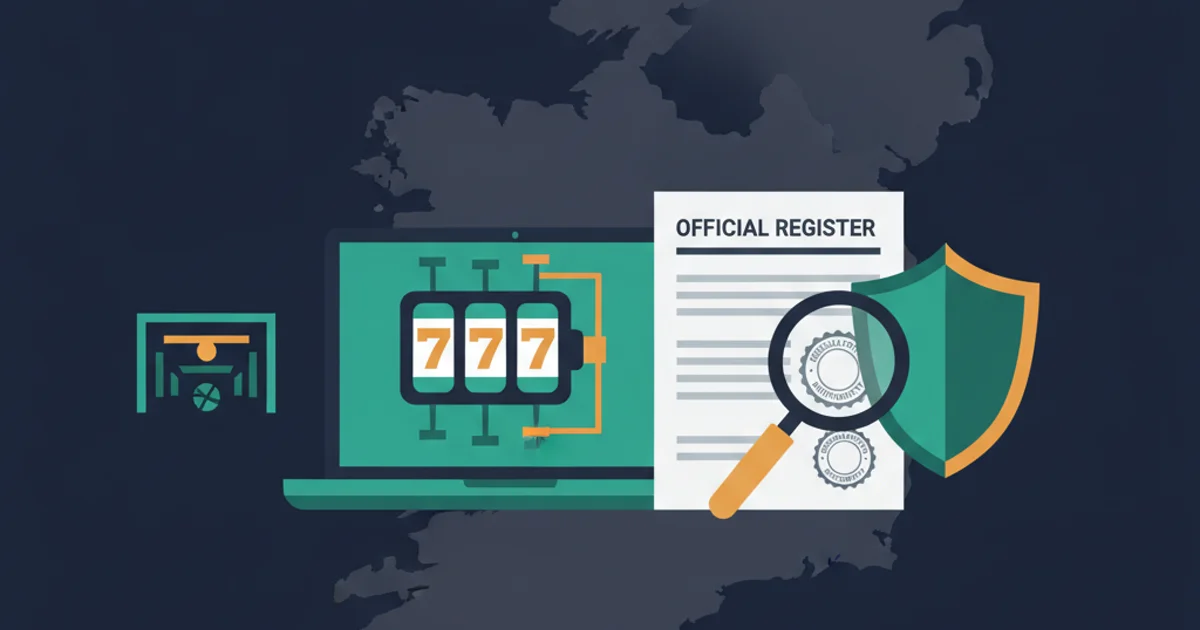
Searching for an online casino in Ireland now involves an important regulatory distinction. The Gambling Regulatory Authority of Ireland (GRAI) began licensing remote betting and remote betting intermediaries on 1 July 2026, but its current licences do not yet cover casino games or online slots. A betting brand can therefore appear on the GRAI register without its casino section being licensed by the GRAI.
That does not mean every casino site accessible from Ireland is automatically illegal or that a remote betting licence is meaningless. It means the new system is being introduced in phases, with different products moving at different times. Players need to match the exact activity they want to use—not merely the brand name—to the licence and rules currently in force.
Does the GRAI currently license online casinos?
Not yet. The GRAI’s consumer guidance says that the licences commencing on 1 July 2026 cover betting services offered online or by telephone and remote betting intermediaries. It expressly says that betting does not include lotteries or games of chance or skill such as casino games and slot machines, which will be licensed later.
The Authority’s licensing pages define a future remote gaming licence that will authorise relevant games by remote means. The games covered will depend on a list prescribed by the GRAI. As of 13 October 2026, the Authority has not opened that category or published a list that turns the current remote-betting register into a casino register.
This product boundary matters on combined websites. A single account may offer sports bets, virtual events, live casino tables and slots under one familiar brand. The presence of the legal operator on the GRAI register confirms only the activities described by that licence. It should not be presented as proof that every tab or product on the website has already received a new Irish licence.
What the current Irish licence register can confirm
The public register identifies businesses holding GRAI licences and is updated periodically. For a remote betting service, check the operator’s legal name, licence type and individual record rather than stopping at a matching logo or trading name. The register itself warns that a newly licensed business may not appear until the next update, so an absent entry should be raised directly with the Authority before money is deposited.
- Identify the product. Decide whether the intended transaction is a sports or event bet, betting exchange activity, a slot, a live-dealer game or another casino game.
- Search the legal operator. Compare the company shown in the website’s terms and footer with the GRAI register entry, not only the brand displayed in an advert.
- Read the licence type. A remote betting licence and a remote betting intermediary licence cover different activities; neither is presently a remote gaming licence.
- Match the website and account terms. Confirm which company accepts the wager, holds the balance and handles complaints for the product being used.
- Check the date and status. Save the register record and terms that applied when the account was opened or a transaction was made.
A foreign licence can provide information about the operator’s status in another jurisdiction, but it is not a GRAI licence. Equally, a British Gambling Commission or Malta Gaming Authority badge should not be described as Irish approval. Jurisdiction, licensed entity, domain and product all need to match.
Protections that apply to GRAI-licensed remote betting
Current GRAI licensees must comply with the obligations that have commenced under the Gambling Regulation Act 2024. The Authority lists age and identity verification for online accounts, the ability to set a spending limit, restrictions on withholding winnings without reasonable grounds, and a ban on accepting credit-card funds or providing credit.
The rules also require a remote operator to close an account when the account holder makes a written request, and to close an inactive account after 13 months. Terms and conditions must be provided when a person first accesses the remote betting service and again when the terms change. The operator must also link to parental-control programmes from its homepage and gambling platforms.
Some prominent parts of the 2024 Act have not yet commenced. The GRAI identifies advertising restrictions, promotion and inducement controls, the National Gambling Exclusion Register and the Social Impact Fund among the measures still awaiting commencement. Players should not assume that an announced protection is operational merely because it appears in the Act.
Why casino and sportsbook labels can be misleading
Commercial pages frequently group betting and gaming under phrases such as “Irish online casino” or “licensed Irish casino”. Those labels are too broad for the present transition. A brand may hold a remote betting licence while casino content on the same site sits outside that licence category. The correct question is not whether the brand is generally “licensed”, but which entity and licence cover the exact product.
The distinction also affects complaints. The GRAI’s current complaint process examines alleged breaches by licensed remote betting operators after their licence commenced. It does not resolve a consumer’s contractual dispute or recover money, and it states that only remote betting and remote betting intermediaries are currently licensed by the Authority. A casino-game complaint cannot simply be relabelled as a betting complaint because both products appeared in one account.
For an ordinary dispute, contact the operator in writing and preserve the account statement, transaction history, terms, game or bet identifier and response. A report to the GRAI can support regulatory supervision where a commenced obligation may have been breached, but the customer still needs to pursue the dispute directly with the operator and seek independent legal or consumer advice where appropriate.
What remains under the older Irish system?
The GRAI says existing licensing bodies continue to operate until the relevant parts of the new Act commence. Its current guidance directs gaming-licence matters to the Revenue Commissioners, gaming permits to An Garda Síochána, lottery permits to An Garda Síochána and lottery licences to the District Courts. Existing holders should continue renewing through those channels during the transition.
Those older categories should not be treated as a simple substitute for a future GRAI remote gaming licence. They arise from the pre-existing framework and can differ in scope, location and activity. A certificate or permit should be read on its own terms rather than used to imply that an entire international online casino has passed the new GRAI remote-gaming process.
The GRAI announced in June that applications for gaming, lotteries, business-to-business, charitable and philanthropic licences would open in phases across 2027 and 2028. That is a roadmap, not a promise that every category will begin on a particular date. The Authority’s current application guidance says phasing information will be published as transition arrangements are finalised.
How to assess an online casino available in Ireland
- Do not infer approval from access. A website loading in Ireland, accepting euros or using an Irish-facing page does not prove a current Irish casino licence.
- Separate betting from gaming. Check which legal entity runs each product and whether the licence named in the terms covers that activity.
- Verify any foreign regulator directly. Open the regulator’s own register and match the exact domain, company, licence status and authorised products.
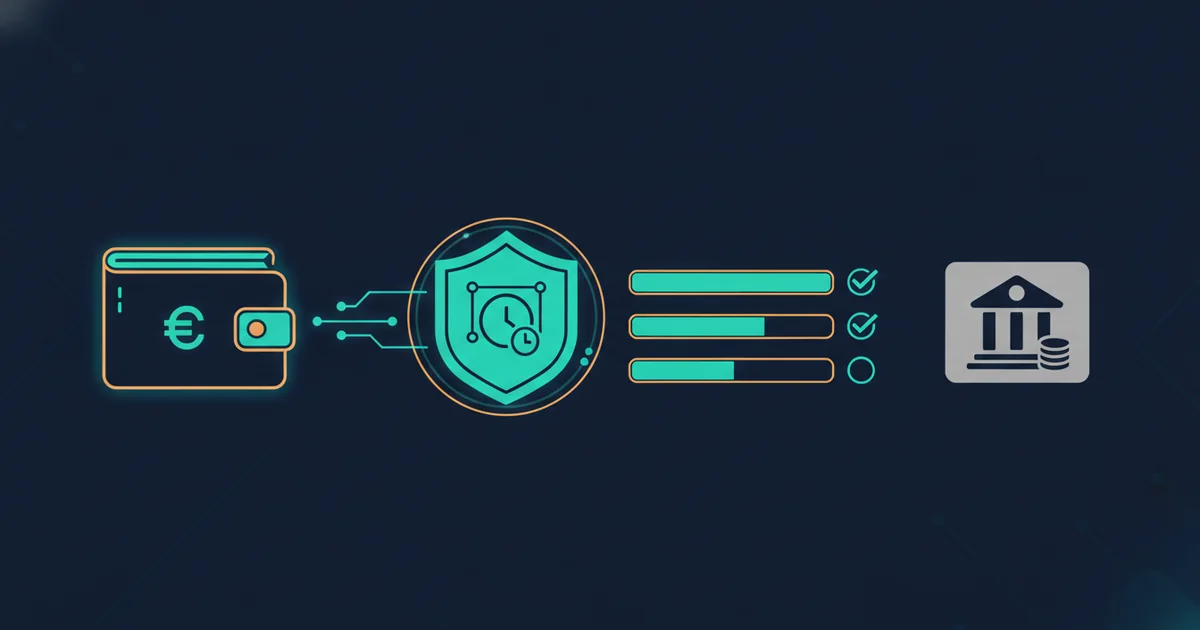
- Read money terms before depositing. Check payment ownership, withdrawal processing, verification, fees, limits, bonus wagering and the treatment of inactive accounts.
- Avoid absolute “best” claims. A high bonus, fast-payout advert or familiar brand does not establish licensing, fair terms or suitability.
- Use protective controls early. Set an affordable limit before play, avoid credit, keep deposits separate from essential spending and stop rather than chase a loss.
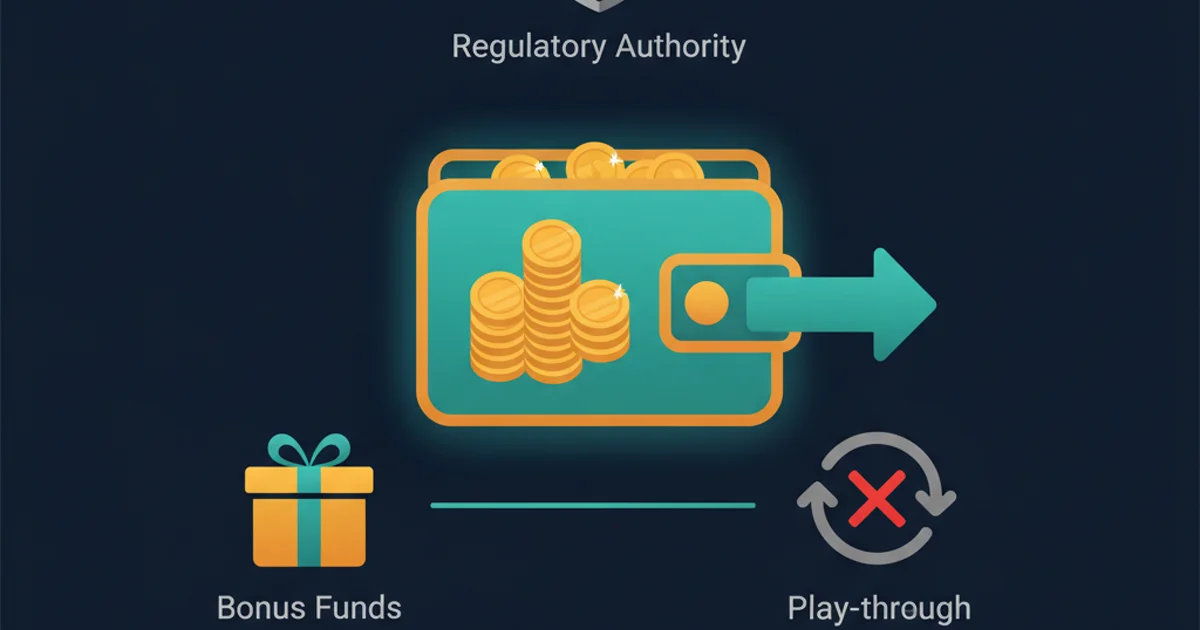
Bonus claims require particular care during the transition. A promotion can carry maximum-bet rules, game contribution rates, expiry dates and withdrawal caps that materially change its value. Never deposit merely because a page describes an offer as Irish, licensed or risk-free. Save the terms shown at acceptance and decline the offer if the cash and bonus balances are not clearly separated.
What changes when remote gaming licences begin?
When the remote gaming phase opens, operators will need to apply for the relevant category and the GRAI will prescribe which games can be provided. Publication of applications or guidance will not itself mean that a company has been granted a licence. The practical confirmation will be an issued licence and a corresponding record covering the legal entity and gaming activity.
Existing pages and comparisons will then need to be rechecked. A brand that currently appears only as a remote betting licensee may later receive a remote gaming licence, choose not to apply, change its Irish product or leave the market. Until the register reflects that later phase, describing the current betting list as a list of licensed Irish online casinos is inaccurate.
For now, the safest approach is product-specific. Use the GRAI register to verify remote betting, recognise that online casino games are not included in the first licensing phase, and verify every separate licence claim with the authority that issued it. Gambling is for adults aged 18 or over, every stake can be lost, and regulatory status does not make a casino profitable or suitable for an individual budget.
Sources: Gambling Regulatory Authority of Ireland, “Safer Gambling” (checked 13 October 2026, current product scope and commenced consumer protections); GRAI, “Commencement of Gambling Regulatory Authority of Ireland Remote Betting Licences” (30 June 2026, licence start and phased roadmap); GRAI, “Licence register” (checked 13 October 2026, current public register); GRAI, “Business to Consumer Licences” (checked 13 October 2026, betting and future gaming licence definitions); GRAI, “Existing Licensees” (checked 13 October 2026, transitional licensing bodies); GRAI, “Complaints” (checked 13 October 2026, complaint scope and limitations); Irish Statute Book, “Gambling Regulation Act 2024” (23 October 2024, primary legislation); and iGaming Business, “Ireland’s iGaming reset: Can a new framework transform the market?” (2 March 2026, secondary reporting on the phased implementation).
Topics
Share this article
Related articles

Related casino offers
 CasumoEditorial4.4
100% up to €300 + 50 Bonus Spins (market-specific)
Claim offer VideoslotsEditorial4.5
100% up to €200 + 11 Spins (no wagering on spin winnings)
Claim offer BetssonEditorial4.4
Market-specific welcome offer
Claim offer
18+ · T&Cs apply · begambleaware.org · Advertising disclosure: we link to operators directly and take no commission.